October 20, 2026
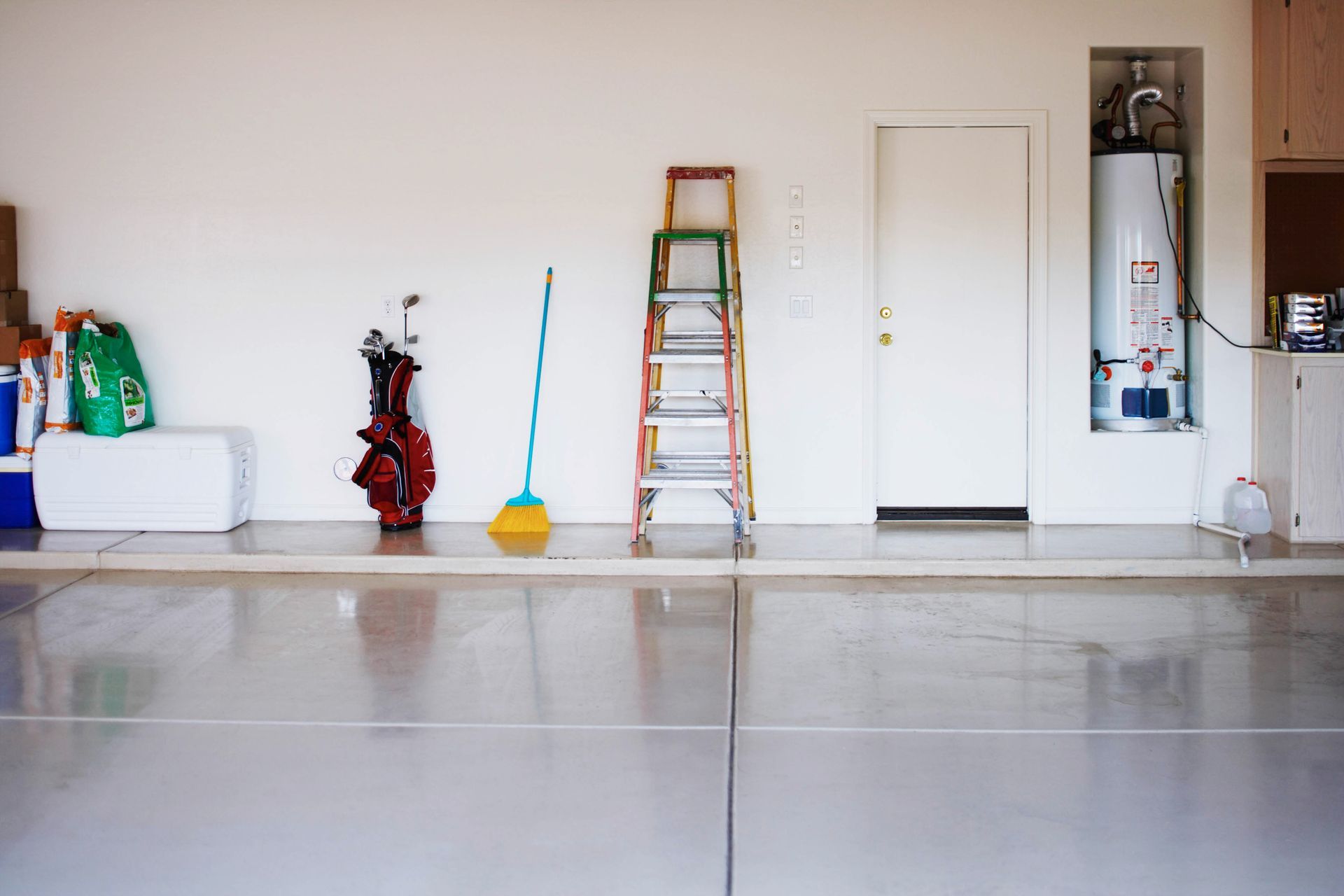
Investing in a newly installed, professional floor finish can instantly transform a dull concrete garage, busy commercial workshop, or modern residential living space into a pristine, high-gloss environment. Beyond its sleek aesthetic appeal and seamless visual beauty, a heavy-duty resin surface offers impressive structural resistance against moisture penetration, heavy load stress, constant foot traffic, and tough automotive fluids. However, keeping that brilliant showroom shine over the long haul requires a clear, consistent, and proactive care routine.
Maintaining your epoxy floor coating is surprisingly simple, but avoiding common cleaning mistakes and harsh chemical exposures is absolutely crucial to preserving its structural durability and clear, glossy aesthetic. By following a few straightforward maintenance strategies and preventative habits, you can protect your investment and keep your surface looking brand new for decades. This comprehensive guide breaks down everything you need to know about daily sweeping routines, deep mopping techniques, chemical safety, scratch prevention, thermal tire management, and long-term surface rejuvenation.
Sweeping Dust and Loose Debris Daily
Daily foot traffic and vehicle movement constantly deposit coarse dirt, sand, fine dust, and small gravel onto your floor surface. Over time, these coarse particles act just like fine-grit sandpaper under heavy work boots, equipment wheels, or rolling vehicle tires, gradually grinding down the top gloss layer and creating microscopic surface scratches that collect dirt and dull the finish. Performing a quick daily sweep removes these highly abrasive materials long before they can cause permanent aesthetic or physical damage.
For the best cleaning results, use a wide soft-bristle push broom or a commercial-grade microfiber dust mop across the entirety of the surface rather than a harsh stiff-bristle broom. Regular sweeping keeps grit from scratching the surface of your epoxy floor coating. According to Ocean Road Magazine, you should clean epoxy coating once per week with a soft brush to prevent microscopic abrasion and preserve its smooth finish.
Mopping Surface Grime Weekly
While daily sweeping effectively tackles loose particulate matter, weekly wet cleaning is essential for dissolving sticky residue, tracks of outdoor mud, engine soot, and airborne grime that dry sweeping leaves behind. To mop effectively without damaging the surface material, mix warm water with a mild, pH-neutral floor cleaner or a small amount of clear household ammonia in a clean bucket. Avoid using harsh acidic products such as household vinegar or citrus-based cleaners, as their natural acid content will slowly break down and dull the resin finish over time.
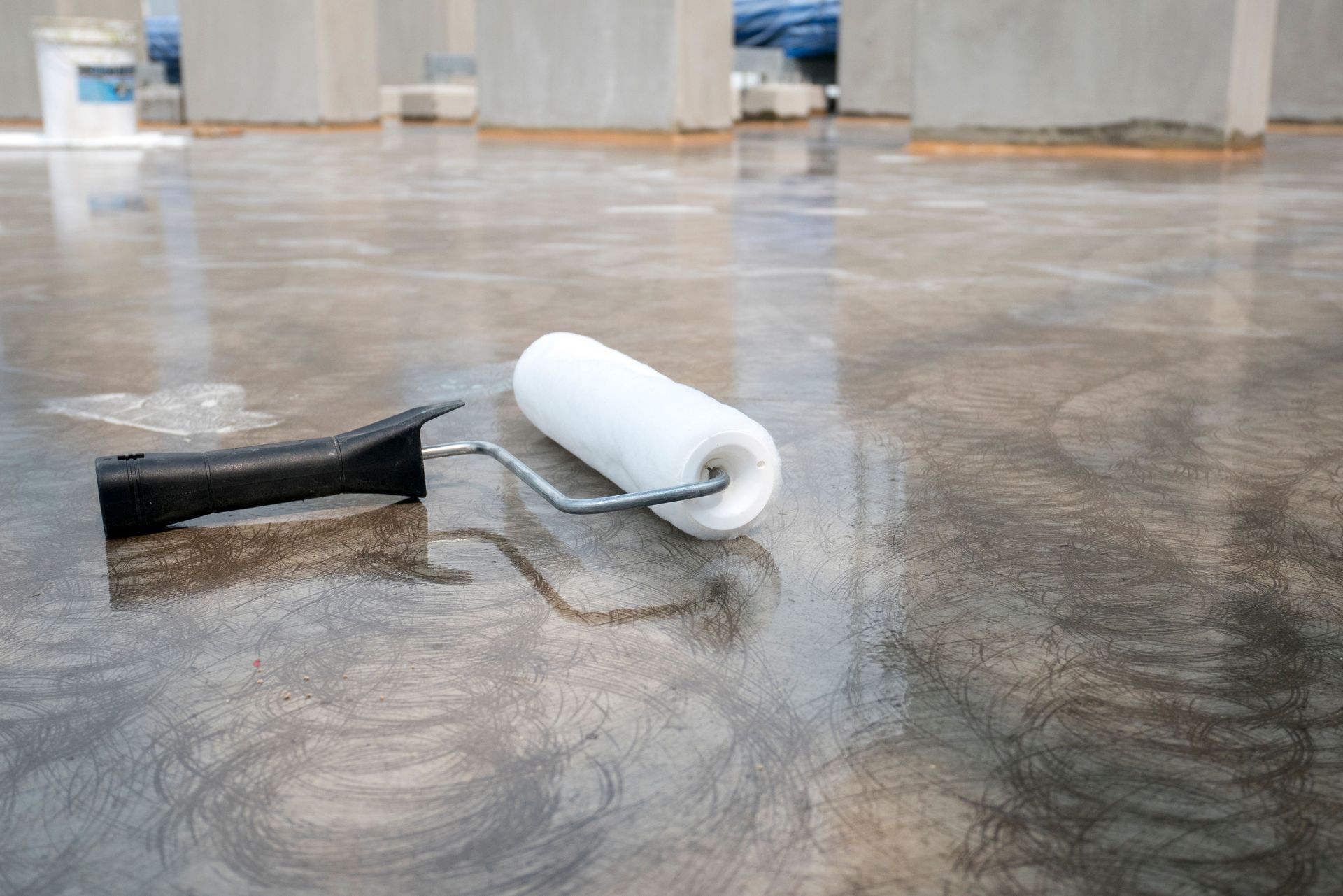
You should also strictly steer clear of standard soap-based detergents, which leave behind a cloudy, sticky film that ruins the high-gloss reflection and attracts twice as much dust later. Damp mopping revitalizes the original shine of an epoxy floor coating. After finishing your mopping routine, rinse the floor with clear warm water and allow it to air dry or use a squeegee to eliminate water spots.
Removing Stubborn Stains and Chemicals Quickly
Garage, industrial, and commercial floors are constantly exposed to vehicle fluids, engine oil, hydraulic fluid, gasoline, grease, household chemicals, and harsh liquids. While heavy-duty resin surfaces are non-porous and remarkably stain-resistant, allowing volatile chemicals or dark engine oils to puddle on the surface indefinitely can eventually lead to permanent discoloration, hazing, or surface etching. Whenever a leak or fluid spill occurs, blot the liquid immediately using absorbent shop towels, paper towels, or an oil-absorbent powder.
For dried-on grease spots or stubborn automotive stains, spray the area with a gentle biodegradable degreaser diluted in warm water, let the liquid sit for a few minutes to loosen the bond, and gently scrub the spot with a stiff nylon brush. Prompt spill cleanup protects your epoxy floor coating from chemical etching or discoloration. Once the stain lifts, rinse the area thoroughly with clean water and dry it completely with a clean towel.
Preventing Physical Damage and Scratches
Although seamless resin finishes are engineered to handle immense weight and daily abuse, they are not completely indestructible against sharp points and heavy concentrated pressure. Heavy impact forces from dropped metal hand tools, heavy steel-wheeled toolboxes dragged across the floor, or unprotected sharp metal furniture legs can gouge, chip, or scratch even the strongest synthetic surfaces. To safeguard your flooring investment against cosmetic and structural damage, install heavy-duty rubber or felt protective pads beneath all metal shelving units, heavy workbenches, metal storage cabinets, and outdoor furniture.
When moving heavy machinery, large rolling tool chests, or heavy appliances across the room, always lay down thick sheets of plywood or heavy-duty corrugated cardboard to distribute the weight evenly across the entire surface. Proactive padding shields an epoxy floor coating from impact gouges and micro-scratches. Taking these minor preventative steps significantly lowers the risk of accidental gouges.
Managing Hot Tire Pick-Up in Garages
Hot tire pick-up remains one of the most common cosmetic and structural issues faced by homeowners with garage flooring installations. When a motor vehicle drives on hot asphalt during warm summer weather or completes a long drive on high-speed highways, its rubber tires absorb significant friction heat and expand. When you park the vehicle inside a cool garage, the residual thermal heat from the tires transfers directly into the floor surface, causing lower-grade floor finishes to soften and temporarily bond directly to the hot tire tread.
As the tires cool down over several hours, they contract and pull upward, potentially peeling the coating right off the concrete substrate below. Parking vehicle tires on thick protective rubber mats or parking pads during peak summer months provides a highly effective thermal barrier. Simple thermal management prevents tires from bonding to an epoxy floor coating.
Reapplying Protective Topcoats Over Time
Even with flawless routine care and meticulous maintenance, high-traffic commercial facilities, industrial warehouses, and heavy-use residential garages will eventually experience mild surface dulling after many years of heavy continuous operation. Fortunately, a dulled or lightly scratched surface does not mean you need to invest in a complete, expensive tear-out and reinstallation.
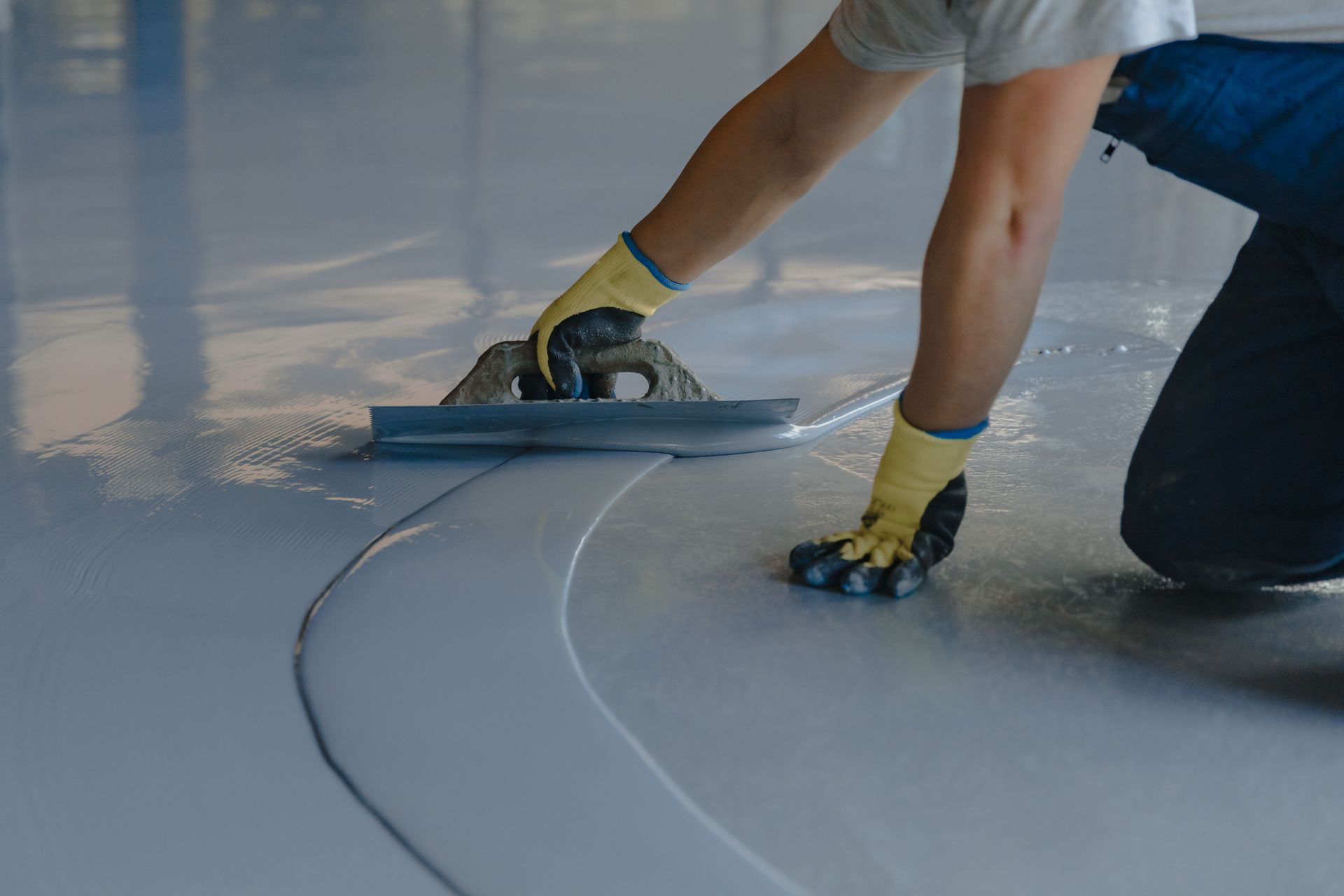
A professional flooring contractor can quickly sand the existing top layer to create a clean mechanical bond and apply a fresh, protective clear polyurethane or polyaspartic topcoat directly over the original floor. Topcoat refurbishment extends the lifespan of an epoxy floor coating indefinitely. This periodic surface rejuvenation fully restores maximum gloss reflection, seals away minor hairline scratches, and restores full industrial chemical resistance at a small fraction of the cost of a full floor replacement.
Taking proper care of your synthetic floor surface does not require expensive specialized machinery, harsh industrial chemicals, or time-consuming labor. By establishing a basic, consistent maintenance routine that includes daily sweeping of abrasive grit, weekly damp mopping using pH-neutral cleaning solutions, rapid spill cleanups, thermal protection against hot vehicle tires, and basic preventative padding beneath heavy equipment, you can preserve your floor's structural integrity and stunning gloss appearance for many years. Ultimately, dedicating a minimal amount of consistent effort protects your financial investment and keeps your space looking pristine and professional. Proper maintenance ensures your
epoxy floor coating remains a durable, high-performing investment for many years to come.
If you are ready to upgrade your garage or commercial facility with a premium finish that lasts, trust the expert team at L2 Epoxy Coatings LLC. We specialize in high-durability floor installations tailored to withstand tough everyday wear and tear. Contact us today to schedule your consultation and get a free estimate!