February 20, 2026
Epoxy coatings are widely used for their durability and aesthetic appeal on surfaces such as floors, countertops, and more. However, over time, even the most resilient epoxy surfaces can show signs of wear and tear. Understanding the indicators that suggest a need for reapplication is crucial to maintaining both functionality and appearance. In this article, we explore the top signs that it might be time to consider an epoxy coating service. By recognizing these signs early and addressing them promptly, you can extend the life of your epoxy surfaces and keep them looking their best.
1. Viewing Visible Cracks and Chips
Cracks in epoxy can often be attributed to a variety of factors, each impacting the integrity of the surface. Typically, these cracks emerge due to structural movements of the underlying substrate, which the rigid epoxy cannot accommodate. Additionally, improper mixing of epoxy components during application can lead to incomplete cure, making the surface more susceptible to cracking. Poor surface preparation prior to applying epoxy can also result in weak adhesion, causing cracks to form over time. It's essential to identify and address these causes to prevent further damage and the need for frequent reapplications. Scheduling an epoxy coating service can help prevent these issues from worsening.
2. Fluctuating Temperatures
Temperature fluctuations are known to cause stress on epoxy surfaces, particularly in climates with extreme seasonal changes. As temperatures rise and fall, materials expand and contract at different rates, leading to tension within the epoxy layer. This tension can manifest as cracks, especially if the initial application did not account for such environmental conditions. Regular assessments during different seasons can help in identifying any emerging issues due to temperature effects. Installing epoxy in a controlled environment and allowing sufficient curing time can minimize the risks related to temperature fluctuations. Hiring an experienced epoxy coating service ensures proper installation and mitigates temperature-related problems.
3. Deteriorating From Heavy Traffic
Heavy foot or vehicle traffic is another significant contributor to the deterioration of epoxy surfaces. Over time, the constant pressure from traffic can cause micro-cracks and chips to form, eventually leading to larger, more visible damage. Areas subject to particularly heavy use, such as industrial floors or busy commercial spaces, are more prone to these issues. The weight and movement can weaken the epoxy, compromising its durability and effectiveness. Regular maintenance and timely intervention with a professional epoxy coating service can help manage the effects of heavy traffic and preserve the longevity of the epoxy surface.
4. Fading and Discoloration
Ultraviolet (UV) exposure is one of the primary reasons epoxy surfaces experience discoloration and fading. Epoxy is susceptible to fading when exposed to direct sunlight over extended periods, as the UV rays gradually break down its chemical composition. This degradation can lead to yellowing or other discolorations that detract from the aesthetic appeal of the surface. Employing UV-stabilized epoxy formulations can help mitigate these effects and preserve the original appearance. Furthermore, minimizing direct UV exposure by using curtains or shades can also prevent the quick fading of epoxy surfaces. Consulting with an epoxy coating service can ensure the use of UV-resistant products for long-lasting results.
5. Discoloring Chemical Spills and Stains
Exposure to harsh chemicals can lead to discoloration and staining on epoxy surfaces. Substances like oils, acids, or solvents can penetrate the epoxy layer, causing unsightly stains that are hard to remove. These stains not only affect the appearance but can also compromise the epoxy's protective capabilities. Clean spills immediately with appropriate cleaning agents designed for epoxy surfaces to minimize staining. Regular cleaning with mild solutions also helps maintain the surface's integrity and color over time. Periodic check-ups by an epoxy coating service can prevent chemical damage and maintain surface quality.
6. Experiencing Age-Related Changes in Epoxy
As epoxy ages, natural wear and environmental exposure can alter its original color and finish. These age-related changes manifest as fading or yellowing, particularly in older installations where UV protection or regular maintenance was lacking. Over time, even the best-maintained epoxy surfaces will slowly lose their vibrancy and require reapplication to restore their original look. Keeping track of age-related changes ensures timely interventions. Professionals recommend periodic inspections to assess the condition and take necessary action to combat these natural aging effects.
7. Losing Gloss and Shine
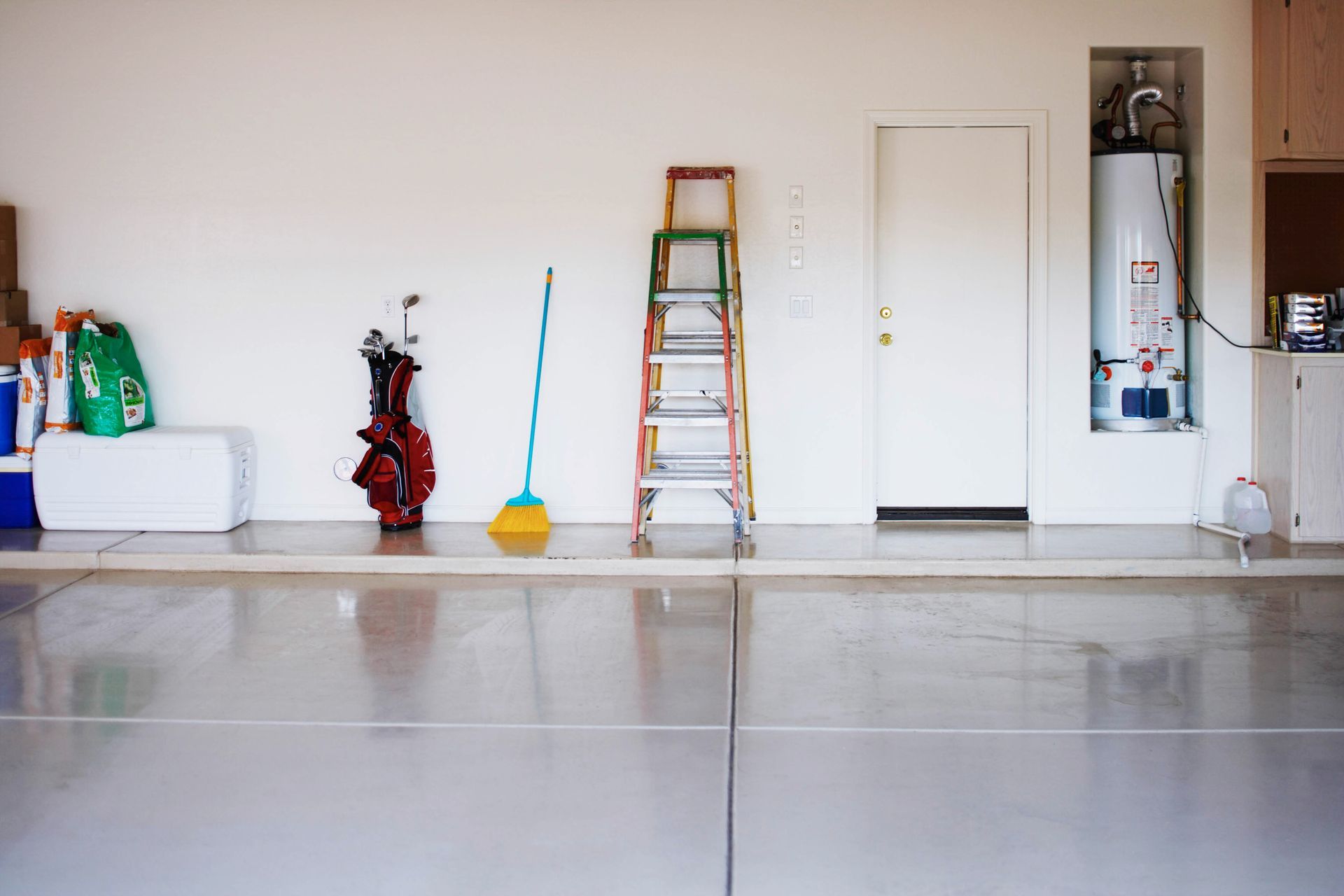
A gloss and shine are key characteristics of a well-applied epoxy surface, essential for its aesthetic appeal and reflective properties. A glossy finish enhances the overall brightness and visual attractiveness of a space by reflecting light effectively. Loss of gloss results in a dull appearance, diminishing the epoxy’s intended visual impact. Constant wear, improper cleaning, and environmental factors contribute to the gradual loss of shine. Regular upkeep and informed care routines are vital to maintaining the epoxy’s intended glossy finish. Engaging an epoxy coating service can help restore lost gloss and prolong the surface’s life.
8. Contributing Causes of Dullness in Epoxy Finishes
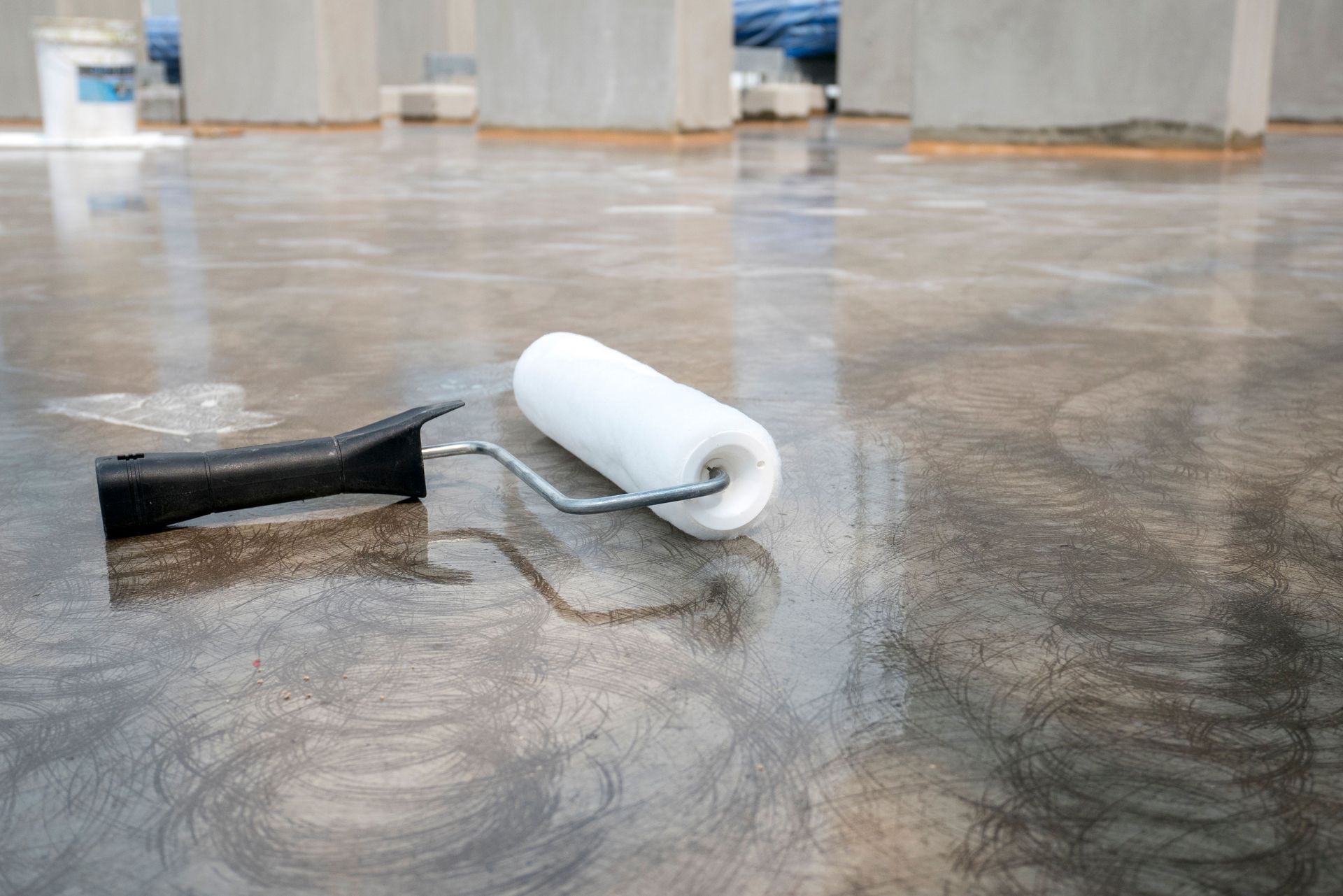
Several factors contribute to the dullness observed in epoxy finishes, undermining their aesthetic quality. Frequent exposure to dirt, dust, and improper cleaning methods can abrade and dull the surface over time. Water-based epoxy, for example, may require reapplication every one to three years, according to This Old House, to maintain its appearance. Additionally, abrasion from regular use or accidental impact can gradually reduce the gloss, necessitating restorative action. Taking proactive steps with appropriate cleaning and care can prevent premature dulling of epoxy surfaces.
9. Buffing vs. Reapplication: Making the Right Choice
When confronted with a loss of gloss, deciding between buffing and complete reapplication is crucial for effective restoration. Buffing can resolve minor dullness issues by smoothing out surface imperfections and enhancing shine. However, for surfaces with deep scratches or substantial wear, reapplication of a fresh epoxy coat may be necessary to achieve the desired results. Analyzing the degree of dullness helps determine the most appropriate intervention strategy. Consulting with epoxy professionals can provide valuable insights when deciding between buffing and reapplication.
10. Peeling and Bubbling
Adhesion failure in epoxy surfaces often manifests as peeling and bubbling, indicating compromised bond strength. These issues arise when the epoxy fails to adhere properly to the substrate, forming bubbles or peeling layers. Moisture, surface contaminants, or incorrect application typically contribute to adhesion breaches. Identifying and addressing adhesion failure helps preserve epoxy durability and appearance. Regular inspection of epoxy surfaces can detect early signs of peeling and bubbling, allowing for timely intervention.
11. Underlying Moisture Issues
Moisture trapped beneath epoxy surfaces can compromise adhesion, leading to bubbling, blistering, or delamination. This problem often occurs in humid environments where the moisture differs significantly between the substrate and the epoxy layer. Effective moisture management, including proper substrate drying and the use of vapor barriers, is crucial during epoxy application. Identifying moisture issues early is key to preventing significant adhesion problems later. If moisture issues are suspected, professional evaluation and remediation should be pursued to ensure a lasting epoxy application.
12. Addressing the Impact of Poor Initial Application
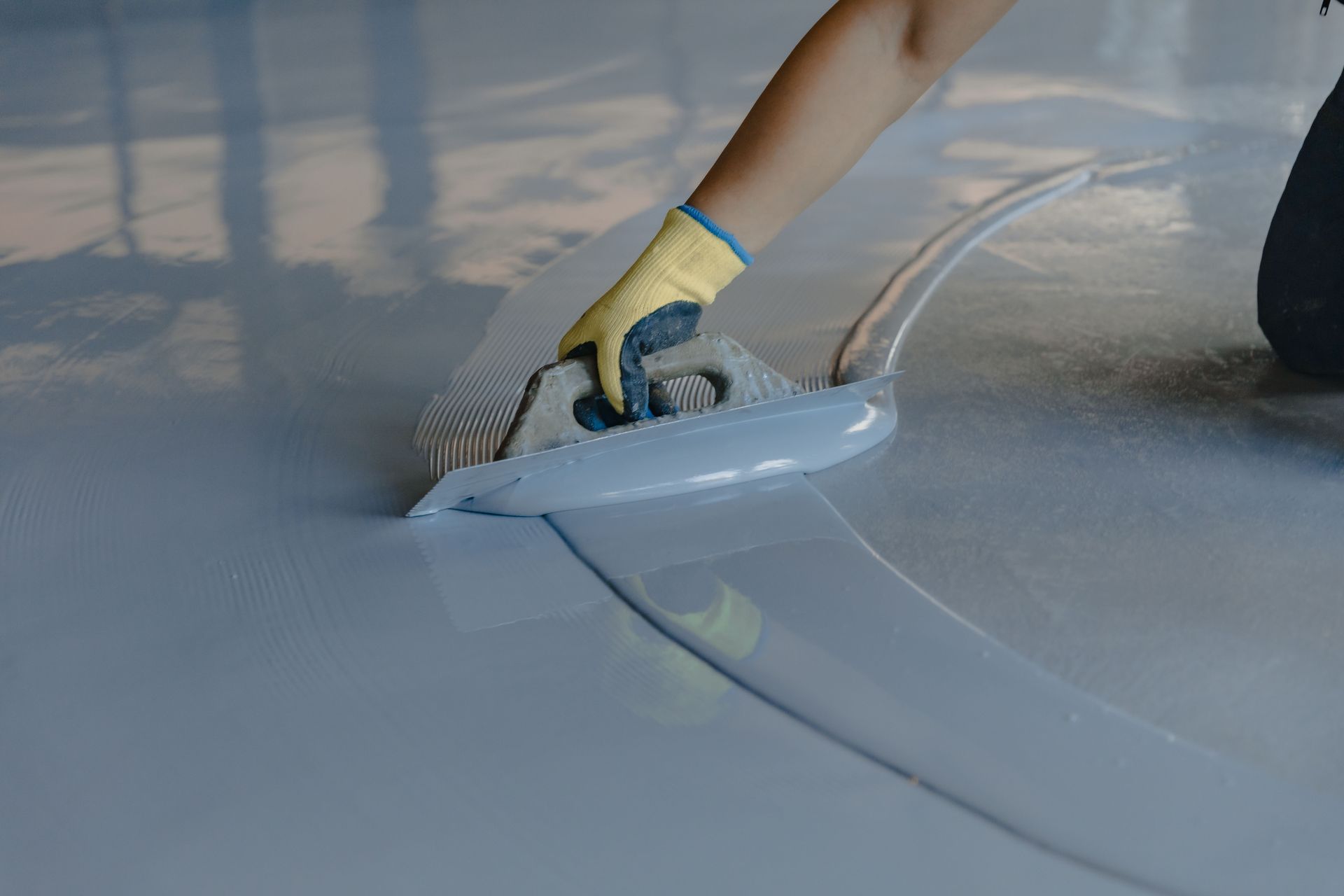
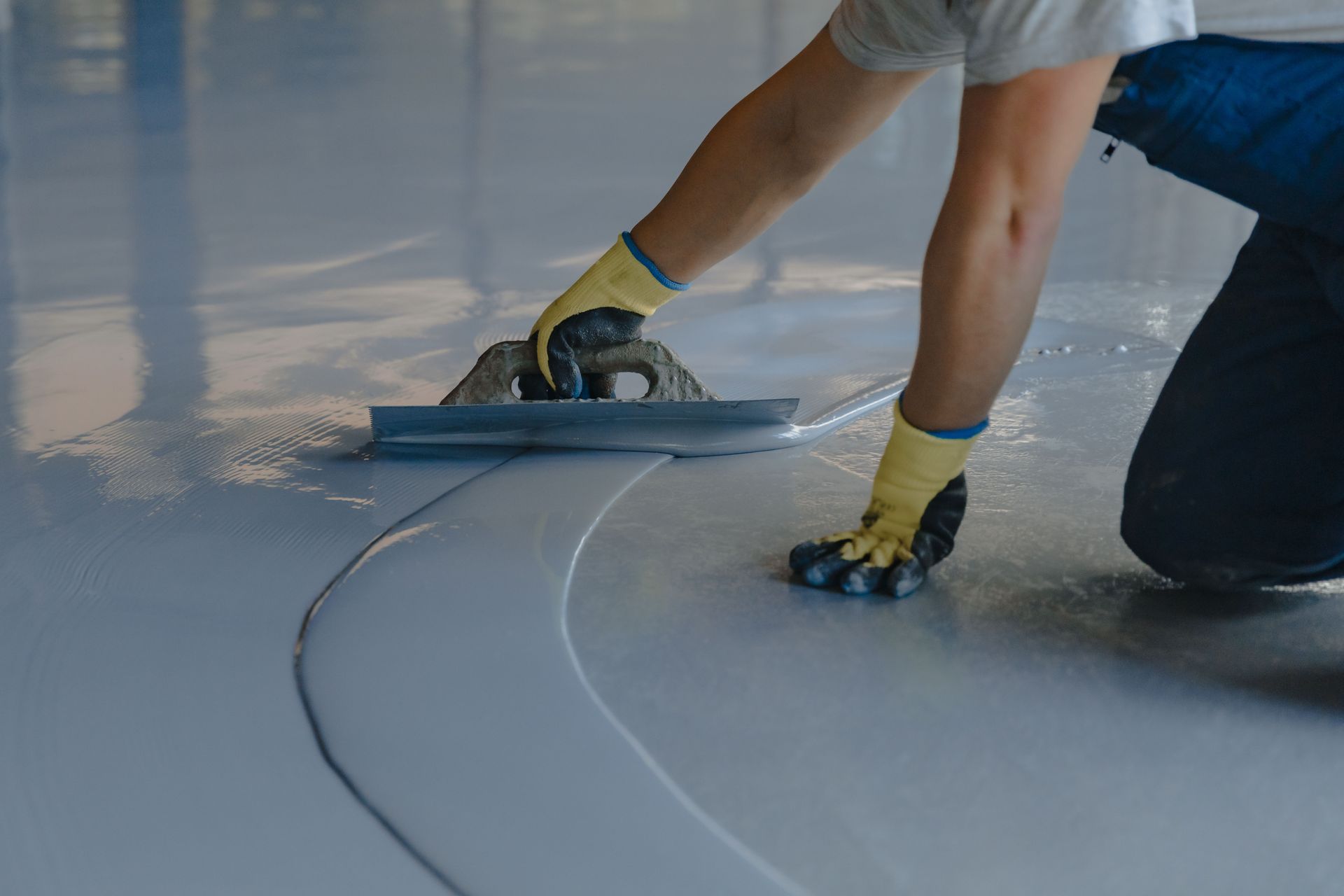
A poor initial application of epoxy can significantly impact the coating’s performance and longevity. Inadequate surface preparation, improper mixing ratios, or unskilled application can lead to poor adhesion, bubbling, or peeling. These issues highlight the importance of following manufacturer instructions and employing skilled technicians during epoxy installation. Addressing application errors early can prevent more extensive damage in the future. Investing in professional application services ensures optimal results and extends the lifespan of the epoxy surface.
Understanding these signs can help identify when it's necessary to reapply epoxy, ensuring your surfaces remain both functional and visually appealing. While some minor issues may be tackled with temporary fixes, significant signs of wear warrant a thorough evaluation and, potentially, professional reapplication. Staying proactive in preserving the quality of your epoxy surfaces will not only increase longevity but also maintain the look and value of your space. Epoxy reapplication is a crucial step in maintaining the integrity and appearance of your surfaces. Whether dealing with visible damage or aesthetic concerns, timely interventions ensure continued satisfaction with your epoxy installations. If you need to upgrade your epoxy floors, contact L2 Epoxy Coatings LLC today for a consultation.